Brass Kitchen and Bathroom Faucets Guide: Taps & Showers

Sanitary brass sits at the intersection of metallurgy, plumbing standards, and daily use. This brass kitchen and bathroom faucets guide explains how taps, mixers, and shower fittings are specified—so importers, OEM buyers, and technical merchandisers can read a drawing without treating every shiny spout as interchangeable.
Jamnagar and the wider Gujarat brass belt supply many of the bodies, spindles, and machined parts behind brass faucet and brass water tap programmes. Finished retail taps may be assembled elsewhere. Understanding the component stack—body, cartridge, aerator, connectors—prevents RFQs that ask for “a kitchen tap” and expect a factory to guess mount type, spout reach, and thread standard.
The tone here is educational, not a hard sell. For the fittings that join pipes behind the wall, continue to the hub on brass plumbing fittings types.
Highlights
- Separate body/component sourcing from retail-ready faucet programmes.
- Finish (polished, antique, black-and-brass looks) is not the same as alloy or cartridge quality.
- Leak tests and thread standards decide callbacks more than lifestyle photos.
Table of contents
- Anatomy of a brass faucet or tap
- Kitchen taps, sinks, and spray functions
- Basin, bath, and bathroom brass fittings
- Brass shower fittings and rain heads
- Garden and outdoor taps
- Polished, antique, and mixed finishes
- Threads, connectors, and tubing
- How valves sit behind the spout
- Application comparison table
- Quality checks that prevent leaks
- What to put in an educational RFQ
- FAQ
Anatomy of a brass faucet or tap
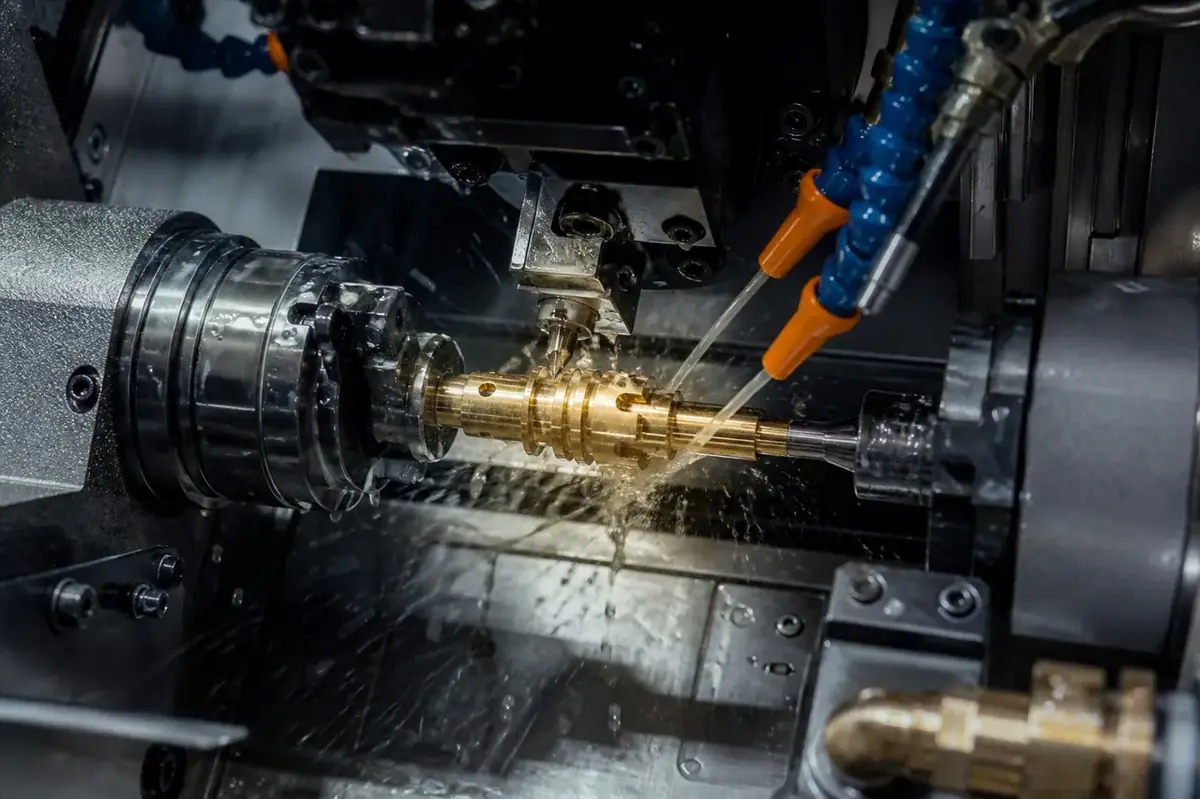
A finished brass faucet is an assembly. The visible spout and handle sit on a body that may be forged, cast, or machined. Inside: cartridge or valve seats, O-rings, sometimes check valves. At the outlet: an aerator. Under the deck or in the wall: mounting hardware and supply connections.
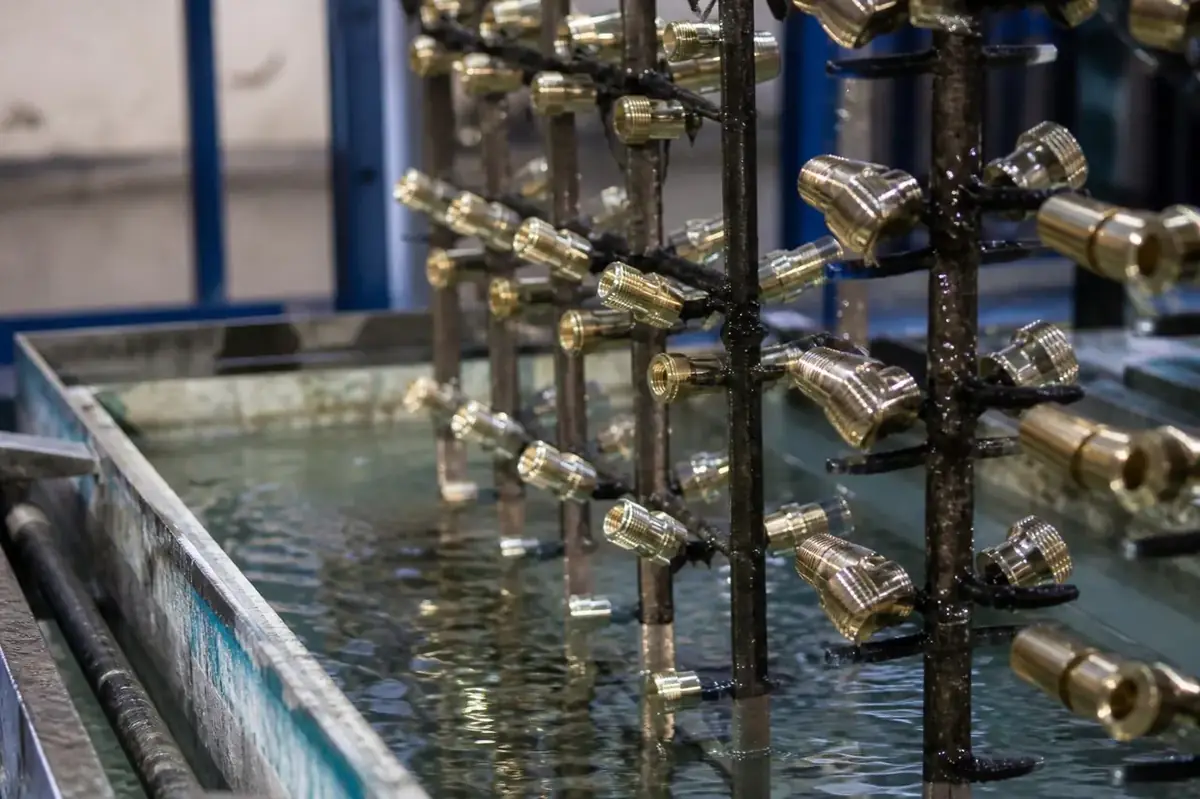
When workshops quote “brass tap bodies,” they may mean unfinished pressure-containing parts—not boxed retail mixers with hoses and instructions. Say which layer you need. Component buyers care about alloy, machining datums, and plating racks. Merchandisers care about spout geometry, handle torque feel, and colour match across a bathroom suite.
Potable-water markets may require specific alloys (including dezincification-resistant grades) and low-lead rules. Those constraints belong on the first page of the RFQ, not in a footnote after samples ship.
Handle architectures differ: quarter-turn ceramic, traditional gland, single-lever cartridge, or dual-control thermostatic. Each changes machining ports and service parts. If you are sourcing bodies only, include the cartridge interface drawing—or accept that the body shop will machine to a cartridge family you have not approved. Silent cartridge assumptions are a common leak path into production.
“A beautiful spout with a tired cartridge is still a complaint ticket—finish cannot seal water.”
Kitchen taps, sinks, and spray functions
Brass kitchen faucet and brass kitchen tap searches cover everything from simple pillar taps to tall mixers for a brass farmhouse sink or standard stainless bowl. A brass kitchen sink faucet brief should state hole count (one-hole, two-hole, three-hole), spout reach and height, and whether the sink is inset, undermount, or apron-front.
Feature language buyers use includes brass pull down kitchen faucet, brass kitchen faucet with sprayer, side spray versus pull-out, and bar-sink variants such as a brass bar faucet. Each feature adds hose, weight, or diverter parts that need durability testing—not only a polished exterior.
Polished brass kitchen faucet and antique brass kitchen faucet / antique brass kitchen tap describe finish direction. Black and brass kitchen faucet looks combine dark coatings with brass accents—specify which surfaces are brass, which are coated, and how edges should wear. Specialty brass boiling water tap products need separate safety and seal engineering; do not treat them as a standard mixer with a hotter sticker.
Brass kitchen as a style cue sometimes pulls in rails, accessories, and even nearby lighting—keep light fixtures out of the sanitary RFQ unless you truly want one supplier for both. Fixture categories mix poorly when QC plans differ.
Spout geometry interacts with window sills, tiled splashbacks, and pot fillers mounted nearby. A tall coil spout that clears stockpots may collide with an open window in a compact flat. Ask for a side-view dimensioned drawing, not only a front hero shot. Reach over a double bowl should be stated in millimetres to the bowl centres you actually sell.
Pull-down and pull-out hoses deserve cycle expectations. Food service and busy family kitchens destroy weak hoses long before the brass body looks tired. If your programme markets a spray head, define hose length, weight docking behaviour, and whether the spray face is serviceable. Consumers blame “the brass tap” when the plastic spray core fails—your warranty language should anticipate that.
Bar faucets and secondary prep taps are smaller cousins with the same thread discipline. Do not assume a kitchen mixer body scales down cleanly; mounting nuts and supply angles change in tight cabinetry. Laundry and utility taps sit closer to outdoor duty in abuse pattern even when they share polished finishes with the show kitchen.
Kitchen specification prompts
- Mount type and deck hole pattern.
- Spout clearance for pots; swing radius near windows or tiles.
- Spray mode and hose life expectations.
- Supply connection size and included brass tap connector / flexi links.
- Finish master for the full brass fixtures kitchen set if matching accessories.
Basin, bath, and bathroom brass fittings
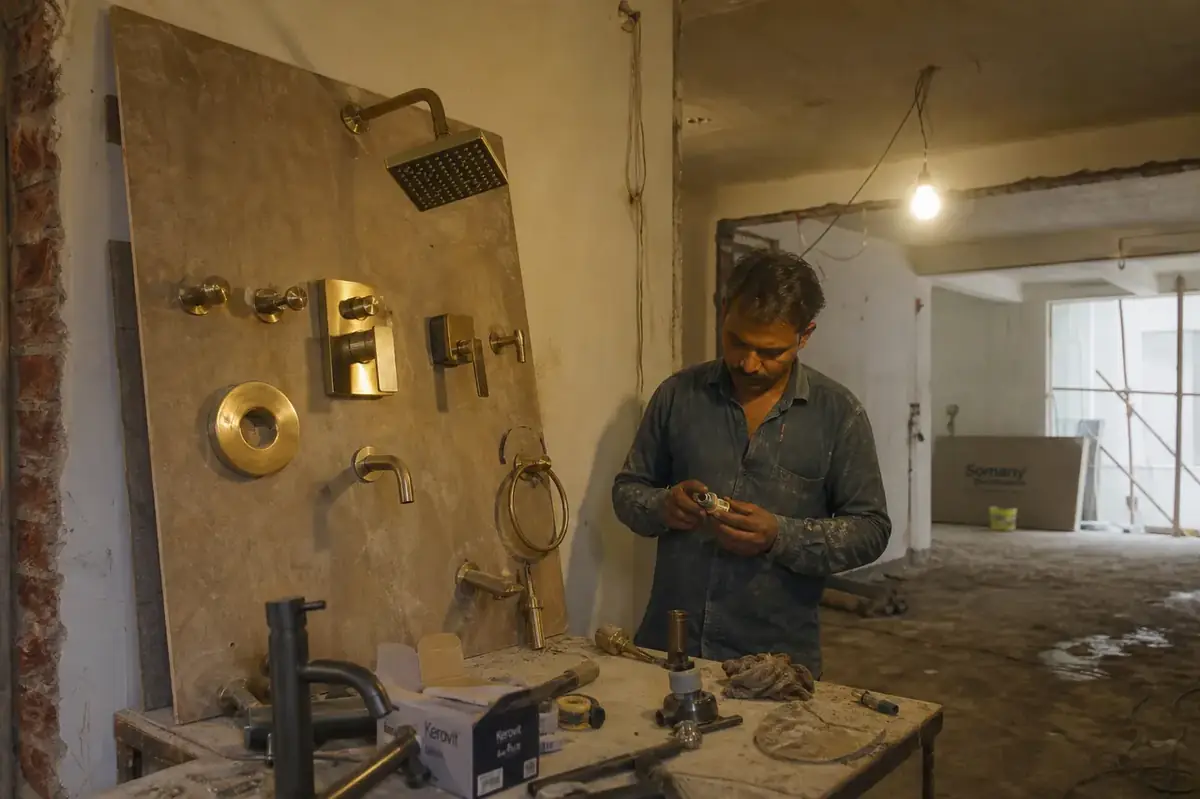
Brass basin taps, brass wash basin mixers, and general brass basin fittings serve the lavatory. Pillar taps, monobloc mixers, and wall-mounted spouts each change rough-in and waste coordination. Brass wall mount faucet and brass wall mounted taps need accurate centre distances—tile is unforgiving when the spout arrives 8 mm off.
Brass bath faucet, brass bath taps, and deck- versus wall-mounted bath fillers introduce higher flow and sometimes handshower diverters. A brass tub filler brief should state spout reach over the rim and whether the tub is freestanding (floor legs and supply aesthetics matter more).
Black and brass bathroom schemes pair dark sanitaryware accents with brass—again a finish coordination problem as much as a metallurgy problem. Antique brass faucet, antique brass sink faucet, and antique brass taps need wet-zone durability notes: bathroom cleaners attack some coatings faster than kitchen use.
Sink language (brass sink) can mean the basin material itself or the fittings on it. Clarify. Solid brass basins exist as specialty décor pieces; most projects mean brass fittings on ceramic or stone. Misread RFQs waste a week.
Basin waste and bottle traps are often separate SKUs from the spout, yet guests experience them as one bathroom story. If your suite includes brass-coloured wastes, match finish masters with the tap—and confirm thread compatibility with the ceramic ware you sell. A perfect mixer with a clashing waste ring still photographs as a miss.
Three-hole versus monobloc decisions affect furniture cut-outs months before taps arrive. Share hole templates with cabinetry and vanity partners early. Wall-mounted basin spouts need even earlier coordination with first-fix plumbing. Educational buyers who approve only a spout photo without rough-in drawings inherit chiselled tiles later.
Bath fillers on freestanding tubs introduce floor supply aesthetics: legs, unions, and cross-linked pipe covers may be brass too. Treat those as part of the visible set. Deck-mounted bath taps on rim platforms need spout reach that clears the rim without flooding the floor—measure the actual tub SKU, not a generic silhouette.
Brass shower fittings and rain heads
Brass shower programmes include exposed mixers, concealed valves with trim kits, arms, handhelds, and brass rain shower head plates. Polished brass shower fixtures and antique brass shower finishes must survive steam, soap, and hard-water spotting. Lacquer systems and cleaning guidance should travel with the goods.
Flow rate, connection size, and pressure range belong on the drawing. A rain head that looks generous in a photo can disappoint on low-pressure municipal supply. Where regulators require flow restrictors, say so early so the aerator or head design includes them.
Thermostatic or pressure-balancing valves are engineered products. Brass body castings or forgings may come from the cluster while cartridges come from specialists. Your QC plan should name who owns leak testing on the assembled valve—not assume the body machinist tested a complete shower system.
Concealed valve rough-in depth must match wall build-ups: tile, board, waterproofing layers. Trim kits that look identical in photos can fail on site when the plasterer buried the valve too deep. Provide installation envelopes and depth gauges with samples. Exposed mixers avoid some of that risk but demand cleaner pipework aesthetics.
Handshower parks, hose lengths, and slide-rail materials should be listed even when the hero product is a rain head. Many “shower set” complaints are really hose or rail failures. If brass slides on brass, define wear expectations; if plastic gliders are used behind a brass look, say so honestly in B2B specs even if retail copy stays simple.
Hard-water markets need descaling guidance that does not destroy antique or lacquered finishes. Include a one-page care note in every master carton. Buyers who skip care notes inherit social-media photos of ruined coatings blamed on “cheap brass” when the real issue was abrasive cleaner.
Garden and outdoor taps
A brass garden tap (hose bib / outdoor tap) lives in a harsher world: UV, rain, freezing climates in some markets, and hose abuse. Threads for hose couplings, washer seats, and handle strength matter. Do not specify indoor polished décor finishes for a utility wall without accepting maintenance.
Outdoor programmes often connect to the same valve and fitting ecosystem covered in the brass valves types guide—isolation valves upstream of the bibcock are part of a complete install story even if they are separate SKUs.
Frost markets may need drain-down design or insulated boxes—the brass body alone does not solve freeze risk. State climate assumptions on the RFQ so factories do not ship indoor-grade washers into winter gardens.
Polished, antique, and mixed finishes
Polished brass reads warm and traditional. Antique brass darkens recesses for a lived-in look. Brushed or satin reduces fingerprint theatre in busy kitchens. Mixed black-and-brass schemes need a clear map of which component gets which coating so spares can be reordered without colour guesswork.
Finish detail belongs in the dedicated finishes hub: antique, polished, and brushed brass finishes. For sanitaryware, add chemical resistance: descalers and abrasive creams destroy some clear coats quickly.
Incidental catalogue noise—brass taper candle holders, craft tubing, or kitchen light fixtures—should not hijack a sanitary RFQ. Keep décor SKUs on décor POs even if the showroom displays them beside the sink.
“Approve the finish on a wet sample, not only a dry shelf piece. Bathrooms are not showrooms.”
Threads, connectors, and tubing
BSP, NPT, metric, compression, and specialty hose threads all appear in global programmes. Wrong thread is the fastest way to turn a beautiful mixer into scrap at installation. Document the standard, pitch, and sealing method (thread sealant, washer, olive).
Brass tap connector lines, copper tails, and flexible hoses are part of landed quality. Brass tubing in sanitary contexts may mean supply tails or decorative shrouds; brass tubes for crafts are a different buyer intent entirely—clarify in writing.
Thread and tolerance discipline is expanded in brass component specifications, threads, and tolerance. Plating thickness on male threads deserves a line on the control plan.
How valves sit behind the spout
Cartridges, ceramic discs, rubber washers, and quarter-turn mechanisms decide feel and drip resistance. Angle valves and isolation valves under basins are often separate brass products from the spout. When a buyer says “tap,” plumbers may hear the whole wet zone—including stopcocks.
If your programme includes both decorative faucets and functional valves, keep drawings and test plans distinct. A valve body forging shop and a polished spout assembler optimise for different defects.
Application comparison table
| Application | Key dimensions | Duty notes | Finish caution |
|---|---|---|---|
| Kitchen mixer / pull-down | Hole pattern, spout reach/height, hose length | Spray cycle life; food-zone cleaning | Fingerprints on polished; hose scuff |
| Basin monobloc / pillars | Centres, spout projection, waste clearance | Daily on/off cycles | Cleaner chemical attack |
| Wall-mounted taps | Rough-in centres, spout length | Tile tolerance stack-up | Concealed vs trim mismatch |
| Bath filler | Flow, rim reach, diverter if any | Higher flow; splash zone | Water spotting on polished |
| Rain / shower set | Inlet size, arm length, head diameter | Pressure/flow; steam | Hard-water marks; coating wear |
| Garden / outdoor tap | Hose thread, wall plate, frost notes | Weather and hose abuse | Indoor décor finishes outdoors |
Quality checks that prevent leaks
Visual polish sells the photo. Pressure testing sells the absence of returns. Typical checks include hydrostatic or air-under-water leak tests on bodies, gauge checks on threads, aerator fit, handle torque, and plating adhesion. Cycle testing on cartridges matters for programmes that promise longevity.
Defect patterns—porosity in cast bodies, plating peel, damaged threads—are catalogued in brass product defects and quality checks. Use that mindset on sanitary SKUs even when the carton looks gift-ready.
- Leak test method and acceptance stated in writing.
- Thread standard confirmed with gauges, not only go-by-eye.
- Finish lot matched to a sealed master sample.
- Packing that protects spouts and plated faces in mixed containers.
- Spare cartridges and O-rings planned for service markets.
What to put in an educational RFQ
You do not need a hard catalogue pitch to write a clear ask. You need geometry, duty, and compliance.
- Product type: kitchen mixer, basin tap, bath filler, shower trim, garden tap, or body-only.
- Mounting and connection standards.
- Alloy / lead / DZR requirements for the destination market.
- Finish system and cleaning expectations.
- Test plan: leak, cycle, salt spray if relevant.
- Volume ladder and whether samples must match production process.
Photos of desired style help for silhouette. Standards beat photos for threads and pressure. When both are attached, factories waste less time guessing.
Separate body-only programmes from retail-ready sets in commercial terms too. Body-only MOQs, plating racks, and machining gauges differ from boxed mixers with hoses, instructions, and colour sleeves. If you plan to assemble in your market, list which parts you will buy unfinished and which finishing steps stay in India. Ambiguous “complete tap” language invites incomplete scope.
For hotel rollouts, approve a wet mock-up room: same water pressure band, same cleaners, same lighting temperature as guest rooms. Dry showroom approval misses spotting and fingerprint behaviour. Keep a sealed finish master and a spare cartridge kit with the project file so year-three replacements do not become archaeology.
Document change control. A spout silhouette tweak after sample approval can alter casting tooling or CNC programmes enough to shift leak paths. Require written engineering change notices when anything pressure-containing moves. Aesthetic handle redesigns are cheaper to revise than body cores—sequence design freezes accordingly.
Finally, align Incoterms and spare-parts policy before the first container. Sanitary programmes live on service parts. A beautiful mixer without available O-rings or aerators becomes a reputational problem faster than a plain tap with a clear parts list.
FAQ: brass taps, faucets, and showers
Should boiling-water or specialty taps use the same brass body approach?
Not without review. Seals, insulation, and safety features differ. Treat specialty products as their own engineering family.
Why is brass used for kitchen and bathroom faucets?
It forms complex bodies well, takes finishes buyers recognise, and works with common plumbing threads. Cartridge design and alloy compliance still decide real-world performance.
What is the difference between a brass water tap and a full faucet assembly?
A simple tap may be a single control outlet. A faucet assembly usually includes body, spout, valve/cartridge, aerator, and mount kit. State which layer you are buying.
Are antique brass kitchen taps a different material?
Usually antique is a finish. Confirm substrate and wet-zone coating durability before approving a project colour.
What should buyers know about brass rain shower heads and wall-mounted taps?
Connection size, flow/pressure, and rough-in accuracy. Match concealed parts to visible trim if both are in scope.
How do brass tap connectors relate to the faucet itself?
They are the supply link. Wrong threads or weak hoses create leaks blamed on the spout. Specify connectors deliberately.
Is a brass garden tap specified like a kitchen faucet?
No. Outdoor duty, hose thread, and weather matter more than spray modes and deck aesthetics.
What quality checks matter most on sanitary brass fittings?
Leak/pressure tests, thread gauges, operating feel, and plating adhesion. Shine without those checks is incomplete QC.
Conclusion
Brass taps and showers reward buyers who speak in mount types, threads, alloys, and test methods. Style finishes—polished, antique, black-and-brass—matter, but they sit on top of pressure-tight engineering.
Use this guide to structure questions and drawings. When the specification is clear, factories in the brass cluster can respond with comparable quotes instead of optimistic guesses.
Learn the stack first: body, valve, connector, finish. Then choose the look that fits the room.
Looking for Sanitary Brass Components?
Explore factory-linked sanitary and machined brass categories, or share drawings for bodies and fittings through Jamnagar.net.