Antique, Polished & Brushed Brass Finishes Explained

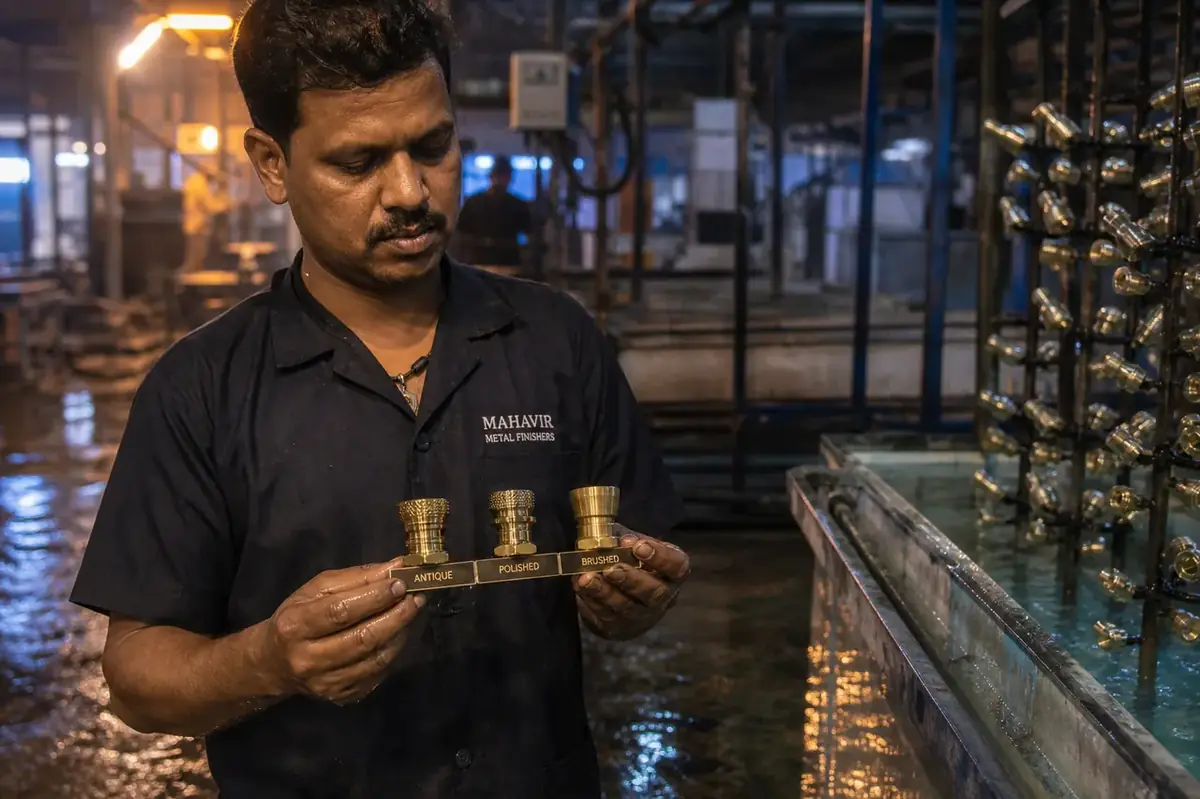
When buyers ask for antique polished brushed brass finishes on one RFQ line, shops hear three different jobs. Antique means controlled age contrast. Polished means bright, mirror-leaning surfaces. Brushed means directional satin texture. Mixing those words without a master sample is how door sets, taps, and light fittings arrive in three shades of “almost.”
Jamnagar workshops run polish wheels, brushing lines, chemical aging baths, and clear lacquer every day. The craft is familiar. The expensive part is language. Antique brass, polished brass, and dark brass all sell well—and all fail when the purchase order only says “nice finish.”
This hub separates real metal finishes from brass-look paint, explains coating choices, and shows where each look belongs on hardware, lighting, and decor.
Highlights
- Name one primary look: antique, polished, or brushed—then add coating rules.
- Paint and spray are colour matches, not the same as solid brass finish.
- Approve finish under the same lighting used at the installation site.
Table of contents
- Three finish families buyers actually mean
- Antique brass finish and oxidised looks
- Polished brass and bright reflective surfaces
- Brushed and satin brass texture
- Brass lacquer, clear coating, and living finishes
- Brass paint and spray versus real metal finish
- Where each finish shows up on products
- Finish comparison table
- Finish notes by product type
- How shops typically build a finish
- RFQ checklist for finish consistency
- Matching lots across months
- Care notes that protect the look
- FAQ
Three finish families buyers actually mean
A brass finish can mean the colour of bare alloy after machining, or a full surface system: polish or brush, chemical tone, optional plating highlight, then lacquer. Procurement language often collapses all of that into one adjective.
Start with the visual family. Antique / patinated / oxidised sits in the aged camp. Polished / bright / mirror-leaning sits in the reflective camp. Brushed / satin / linen sits in the directional-texture camp. Secondary words like silver brass, brass and gold contrast, or blackened accents are overlays—not replacements for the base family.
Shops also hear “chrome-look on brass” or dual-tone requests. Those are plating programs on brass substrates. Keep them separate from antique or brushed brass so plating thickness and thread fits stay under control.
“If two factories both say antique brass and you never exchanged a physical sample, you do not have a finish agreement—you have a hope.”
Antique brass finish and oxidised looks
An antique brass finish usually darkens recesses and leaves raised edges slightly lighter after rubbing or highlighting. That contrast reads as age on handles, latches, frames, and decorative castings. Oxidised brass, patinated brass, and dark brass push further toward overall brown-black tones with less highlight.
Process routes vary. Some units use controlled chemical aging—sometimes described loosely as a brass ager solution or brass darkening solution—followed by hand rub and clear coat. Others plate a dark layer and selectively polish. The RFQ should care about repeatability more than the bath nickname.
What antique brass items need in the PO
- Master sample or approved photo under named lighting (daylight / warm indoor).
- Whether high points must stay bright or the whole surface may stay dark.
- Lacquered or living finish expectation after aging.
- Touch-up rules if edges brighten during packing and transit.
- Whether mating parts (latch + strike, handle + rose) must match in one lot.
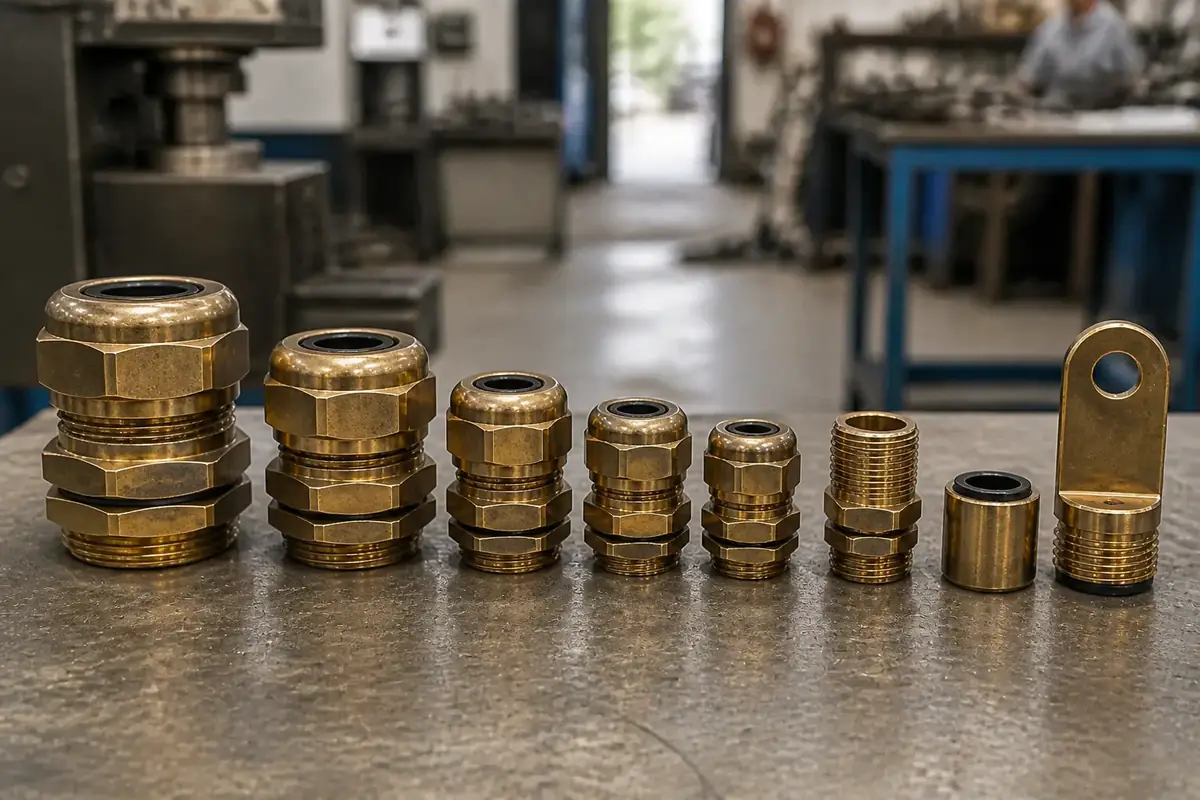
Antique brass hardware on doors and cabinets often shares a program with antique brass shelf brackets, handrail brackets, and coat-rack hooks. Keep one finish master across those SKUs if the room is meant to read as one metal story. The same logic applies to an antique brass frame, clock case, kettle shell, lantern, radiator valve trim, or latch set—different geometries, same visual contract.
Polished brass and bright reflective surfaces
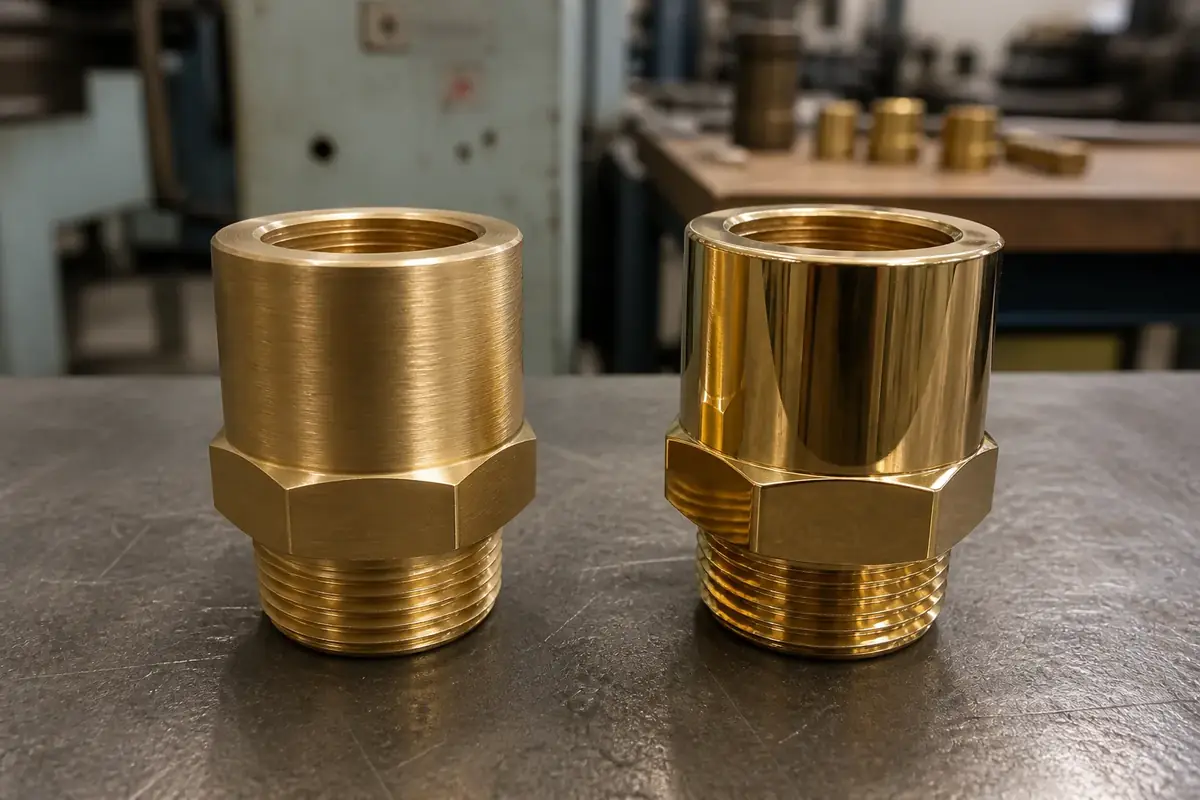
Polished brass is the classic bright yellow look after progressive buffing compounds. It photographs well and signals premium on taps, lighting stems, and decorative trays. It also shows every scratch, fingerprint, and water spot unless protected.
Polish quality starts before the wheel. Tool marks, parting lines, and porosity telegraph through a mirror surface. Cast decorative parts may need extra fill and prep; turned stems usually polish cleaner if machining lines are consistent.
Decide early whether polished means unlacquered living brass or lacquered bright brass. Unlacquered will change. Lacquered stays closer to the approved sample until the film fails at edges or high-touch zones.
Brushed and satin brass texture
Brushed brass uses abrasive belts or wheels to lay a directional grain. It hides fingerprints better than mirror polish and reads contemporary on levers, rose plates, and switch plates. Grain direction should be consistent across a set—random swirl on one rose and straight grain on the next looks like mixed suppliers.
Specify grit range or a physical texture sample. “Satin” without grit is as vague as “antique” without contrast notes. For round parts, decide whether brush lines wrap circumferentially or run lengthwise; both are valid, both clash if mixed.
Brass lacquer, clear coating, and living finishes
Brass lacquer and other clear films are the usual answer when buyers ask for the best clear coating for brass on indoor decorative hardware. The goal is to slow oxidation and keep polished or brushed colour stable through shipping and early use. No clear coat is permanent in wet, abrasive, or high-heat service.
A good lacquer program notes surface prep, spray or dip method, cure, and rework. Edge wear on handles is normal over years; that is not always a plating defect. For kitchens and baths, confirm whether lacquer is even appropriate or whether a plated system is safer.
Brass coating language is broader: it may mean lacquer, clear polymer, or even a brass-coloured layer on steel. Write the chemistry class you want. If you want solid brass with clear protection, say that. If you want coated steel that looks like brass, say that too—pricing and corrosion behaviour diverge fast.
“Living finish is a design choice, not a quality escape. If the catalogue photo is bright month-one brass, do not ship unlacquered parts into a humidity-heavy climate without telling the buyer.”
Brass paint and spray versus real metal finish
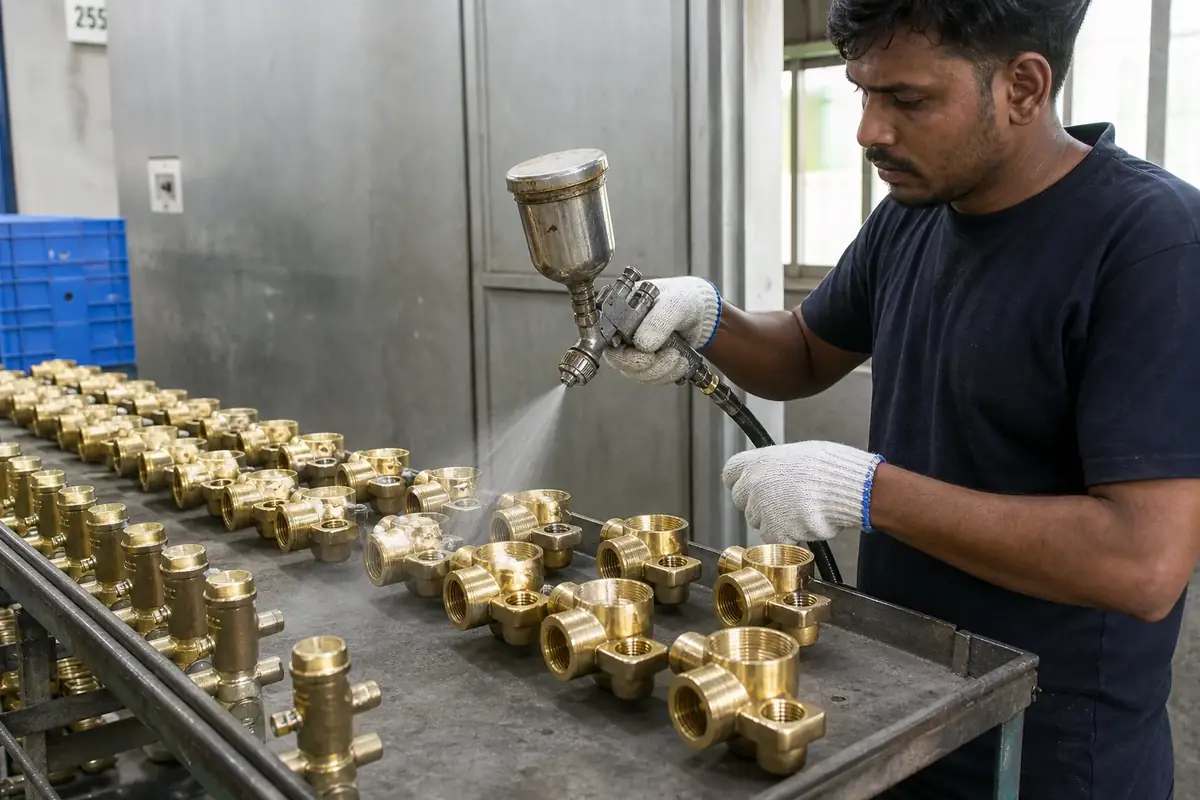
Search traffic often mixes factory finish with retail touch-up: brass paint for metal, brass spray paint, brass color paint, brass gold spray paint, polished brass spray paint, and antique brass paint for metal. Those products can refresh fixtures or mock a brass look on steel brackets. They are not interchangeable with milled and finished solid brass.
Paint chips at corners. Threads and mating faces suffer if overspray builds. Heat on light fittings and fan housings can stress films. Use paint language only when the substrate is not brass or when field repair is the topic. For OEM supply from Jamnagar, specify alloy + mechanical finish + optional clear coat or plating.
If a project needs temporary showroom colour before metal arrives, brass spray paint for metal is a staging tool. Do not write that temporary look into a production acceptance standard for solid brass parts.
Where each finish shows up on products
Door and furniture programs lean on antique and brushed families for fingerprints and heritage styling. See the companion hub on brass door hardware, handles, knobs, and hinges for fitment notes beyond colour.
Sanitary fittings often prefer plated systems for wet abrasion, but decorative exposed stems still appear in polished or antique brass. Coordinate with the brass taps, faucets, and showers guide so finish claims match water-zone reality.
Lighting and electrical trim—including antique brass sockets and switches, ceiling-fan hardware, and switch plates—need heat and finger-traffic awareness. Cross-check brass lighting and electrical fittings when lacquer meets warm fixtures.
Decor SKUs—mirrors, trays, planters—show finish defects quickly under side light. Pair this article with brass home decor: mirrors, trays, and planters when styling a full room metal story.
Finish comparison table
Use this as a first filter. Exact process steps still need a sample agreement.
| Finish family | Visual cue | Common uses | Main risk |
|---|---|---|---|
| Antique / patinated | Dark recesses, lighter peaks | Heritage hardware, frames, lanterns | Lot-to-lot shade drift |
| Oxidised / dark brass | Deeper overall brown-black | Contemporary dark metal schemes | Uneven wipe-back; edge brightening |
| Polished brass | Bright, reflective yellow | Lighting, premium levers, trays | Fingerprints; scratches show fast |
| Brushed / satin | Directional grain, soft sheen | Modern hardware, switch plates | Mixed grain direction across SKUs |
| Lacquered clear coat | Locks colour longer | Indoor decorative metal | Edge wear; wrong use in wet heat |
| Brass-look paint / spray | Colour match on other substrates | Mock-ups, field touch-up | Chip edges; not solid brass behaviour |
Finish notes by product type
Antique brass hardware on doors sees constant finger oils. A slightly darker antique with lacquer often outlasts a bright polish in that zone. Shelf brackets and handrail brackets show rub marks on nose edges first—specify whether those edges may brighten or must stay matched to the rose plate.
Antique brass switches and sockets sit at eye level. Shade drift between a switch plate and a nearby latch is more visible than on a coat hook in a dark closet. Approve electrical trim and door metal in one session under the same warm bulbs you will install.
Lighting stems and ceiling-fan hardware collect dust in the brush grain. Brushed brass looks intentional there; mirror polish on a fan housing can become a fingerprint ledger. Heat near bulbs also tests lacquer adhesion—call out fixture temperature class when the finish includes clear coat.
Decorative antiques—clocks, lanterns, kettles used as props—tolerate living finishes better because they are handled less. Still write whether the buyer wants museum dark or lightly rubbed peaks. “Antique” without that sentence invites three different shop interpretations.
Radiator valves and exposed plumbing trim live in humid microclimates. If you want true polished brass there, plan for more maintenance or a plated system instead of wishing lacquer will survive steam forever.
How shops typically build a finish
Most decorative programs follow a similar spine even when recipes differ. Machine or cast the part, remove tool marks, then decide mechanical texture: polish wheels for bright brass, belts for brushed grain. Chemical aging or darkening comes next for antique and oxidised looks, followed by selective rub to open highlights.
Cleaning between stages matters. Oil left from polishing compounds under lacquer creates fish-eyes. Flux or darkening residues under clear coat create soft spots that peel after shipping. Ask whether the line includes ultrasonic or solvent cleaning before spray.
Inspection should use the approved master under agreed light, not only a QC phone torch. Photograph retained samples with lot tags. When a second production month drifts warm or cool, you need that first-article board to argue from, not memory.
RFQ checklist for finish consistency
- State the primary family: antique, polished, or brushed.
- Attach a physical master or sealed photo set with lighting notes.
- Say lacquered or unlacquered; name rework if film fails.
- Call out mating SKUs that must match in one shipment.
- Exclude paint language unless the part is not brass.
- Note wet-zone, heat, or outdoor exposure that changes system choice.
- Define packing so polished faces do not fretting-mark in transit.
Finish is also a cost driver. Extra hand rub on antique castings, multi-stage polish on large trays, and careful lacquer on threaded assemblies all add minutes. Cheap piece price with undefined finish usually means the shop guessed—and you will pay later in returns.
Matching lots across months and factories
Finish drift is normal when baths refresh, polish compounds change, or a second vendor joins a program. Control it with retained masters, lot photographs, and a written delta rule—what shade shift is acceptable before re-approval.
If door hardware ships from one cell and lighting trim from another, force a joint sample board. Independent “close enough” opinions rarely survive installation day. The cost of one coordinated sample kit is smaller than swapping installed plates across a project.
Export buyers should also note packaging abrasion. Polished faces fretting in transit look like finish defects at destination. Soft wraps, button separators, and moisture barriers are part of the finish system, not optional cartoning.
Care notes that protect the look
Lacquered parts want mild wiping, not abrasive pastes that cut the film. Unlacquered polished brass will respond to gentle polishing routines but will never freeze in time. For product-level cleaning steps, continue to brass cleaning, care, and maintenance.
Tell end users what they bought. An antique brass coat rack that brightens at the hook tips after six months of bags may be normal living wear—or a failed lacquer edge. Your care card decides whether that becomes a complaint.
FAQ: antique, polished, and brushed brass finishes
Should RFQs say antique brass paint or antique brass finish?
Use finish language for real brass parts. Use paint language only for non-brass substrates or field touch-up. Mixing them creates wrong process quotes.
What is the difference between antique brass and polished brass?
Polished brass is bright and reflective. Antique brass is aged for contrast—darker recesses, lighter peaks. They are different targets, not the same finish at different cleaning stages.
Does brushed brass need lacquer?
Often yes for stable indoor colour. Brushed texture still oxidises and shows oils. Living brushed brass is valid when the design accepts gradual darkening.
Is brass spray paint the same as a factory brass finish?
No. Spray and brush-on brass color paint coat another substrate. Factory brass finish works the copper-zinc surface itself—mechanically, chemically, and sometimes with clear film or plating.
What is the best clear coating for brass hardware?
There is no universal winner. Indoor decorative parts commonly use clear lacquer systems with defined prep and cure. Wet, hot, or abrasive zones may need another approach or a living-finish plan.
How do oxidised brass and dark brass differ from antique brass?
Oxidised and dark brass usually read deeper and more uniform. Antique brass typically keeps highlight contrast. Exchange samples; vocabulary alone is not enough.
Can antique brass sockets and switches match antique brass door hardware?
Yes, closely, if both programs share one finish master and lighting standard. Different underlayers and lacquer batches still cause shade shifts—approve all SKUs together.
Will polished brass stay bright forever?
Uncoated polished brass will dull. Lacquer slows change. If you want living metal, specify unlacquered and educate the end user.
Conclusion
Antique, polished, and brushed are three different contracts with the metal surface. Add lacquer or leave the alloy living. Keep paint out of solid-brass acceptance language unless colour mock-up is the real goal.
Buyers who approve one master sample across mating SKUs spend less than buyers who chase the cheapest bright polish and hope the site photos match. Finish is not decoration bolted on at the end—it is part of the drawing package.
Need Matching Finish Options Across Your Brass Range?
Review plating, polish, antique, and clear-coat options with a direct Jamnagar supply desk. Share your master sample notes or browse finish-ready categories on Jamnagar.net.