Brass Door Handles and Knobs Guide for Trade Buyers
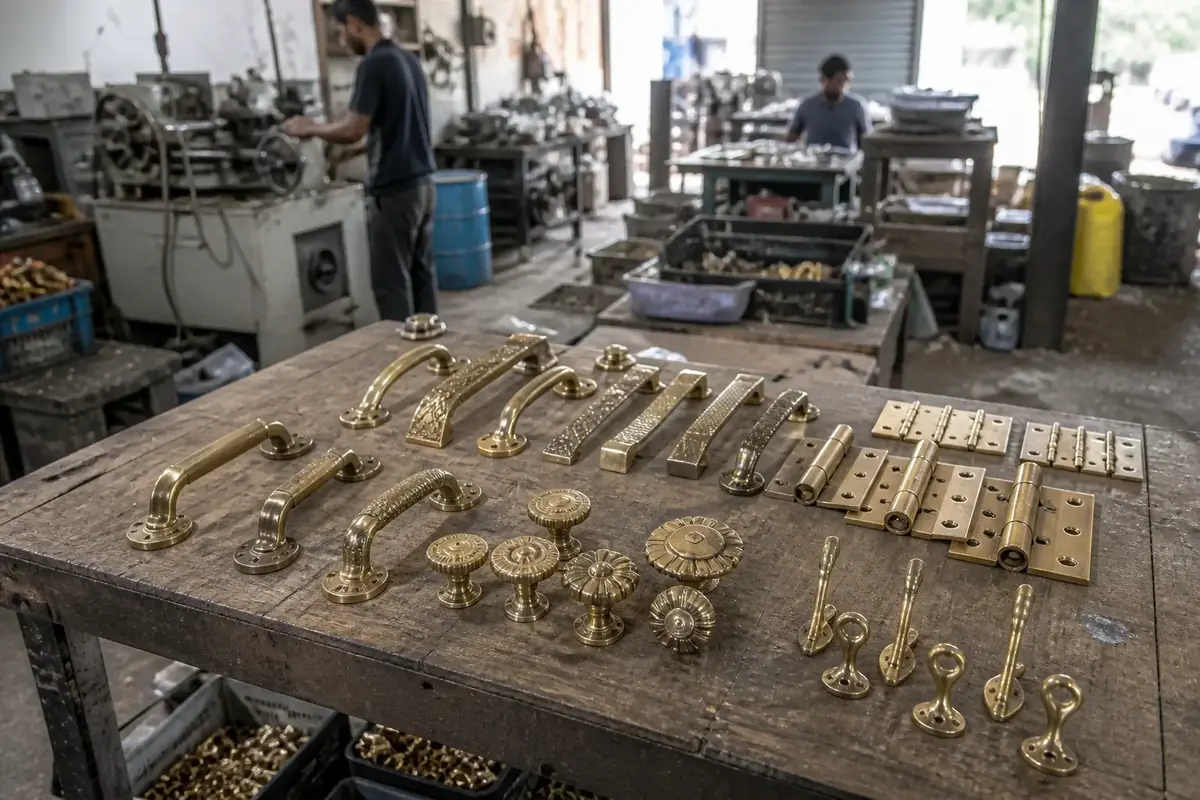
Door hardware is where brass stops being “yellow metal” and becomes something people touch every day. A clear brass door handles and knobs guide helps architects, importers, and OEM buyers separate solid brass furniture from thin plating, match hinges to door weight, and keep antique or polished finishes consistent across a project—not only on the showpiece main-door pull.
Jamnagar’s workshops feed many of the components behind brass door handles, brass door knobs, brass hinges, hooks, brackets, and related fittings. Some SKUs are fully finished consumer hardware. Others are OEM parts—roses, spindles, hinge knuckles, cast backplates—assembled elsewhere. Knowing which you are buying changes drawings, MOQs, and QC.
This hub stays educational: how categories work, what to specify, and where finish and fasteners decide long-term look. For finish systems in more depth, see antique, polished, and brushed brass finishes.
Quick Lookup
- Name substrate and finish separately—antique tone is not an alloy grade.
- Hinges and locks are engineered; pulls can be decorative—do not buy them with the same checklist.
- Match an entire hardware family (handles, hooks, brackets) from one finish master sample.
Table of contents
- Why brass still dominates door hardware
- Handles, knobs, and lever furniture
- Hinges: butt, cabinet, and antique styles
- Locks, latches, padlocks, and keys
- Knockers, letter boxes, and door stops
- Hooks, hangers, and shelf brackets
- Polished, antique, and living finishes
- Screws, spindles, and fixing hardware
- Specification comparison table
- Sourcing and project matching tips
- Care after installation
- FAQ
Why brass still dominates door hardware
Brass machines cleanly, takes a bright polish, accepts antique darkening, and feels substantial in the hand. Architects specify it for heritage projects and for new builds that want warmth without the maintenance of some other metals. Trade buyers like it because casting, forging, machining, and finishing can sit in one supply region.
Not every shiny “brass” handle is solid throughout. Zinc or steel cores with brass plating are common in price-sensitive lines. Solid brass and brass-plated lines can both be legitimate—if labelled honestly and finished for the duty cycle. Front-door pull traffic is not the same as a closet knob inside a guest room.
OEM furniture and architectural programmes often pull related parts from the same industrial belt. The companion hub on brass hardware and furniture OEM applications maps that wider set beyond the door leaf itself.
“If the hinge sags, nobody compliments the antique highlight on the lever.”
Handles, knobs, and lever furniture
Brass handles cover pull handles, lever handles, and traditional forms used on main doors. A brass handle for main door often means a larger pull or pair with backplate, sometimes with ornamental motifs. Brass door knobs—round or shaped—remain common on interior doors and period restorations. Antique brass door handles, antique brass door knobs, and antique brass lever door handles usually refer to finish direction, not a separate melt.
A mortise handle set is more than two levers in a box. The lock case dimensions, backset, spindle size, and rose or plate fixing must match the door preparation. Buying beautiful levers that do not fit the case is a classic site delay. Ask for a dimensioned set drawing, not only a lifestyle photograph.
Regional decorative styles—peacock motifs and other ornamental main-door pulls—are popular in some markets. Treat pattern ownership and tooling carefully on OEM programmes: who owns the die, what happens on reorders, and how motif sharpness is checked after antique finishing (darkening can hide or exaggerate casting detail).
Grip comfort is a specification, not a vibe. Lever return springs, knob diameter, and projection from the door face decide whether users catch coats or bruise knuckles in narrow corridors. Hospitality projects should mock up a door leaf with the actual furniture before freezing thousands of sets. Residential importers can use a smaller pilot—but still measure projection against common door casings in the target market.
Pairing interior knobs with exterior pulls on the same apartment schedule is normal. What fails is finishing them in different workshops without a shared master. If the main-door pull is heavily antiqued and the bedroom knobs are bright polish “to save cost,” the project reads unfinished. Decide contrast intentionally, then document it on the hardware schedule so purchasing cannot “optimise” it away.
Through-fix versus face-fixed furniture changes carpentry. Thick decorative plates need longer screws and sometimes reinforcement on hollow doors. Write door construction assumptions on the RFQ: solid timber, flush hollow-core, metal frame, or glass patch fittings. A beautiful cast pull on the wrong substrate becomes a callback when screws spin in particleboard.
Handle and knob checklist
- Solid brass, brass sleeve over core, or plated base metal?
- Door thickness range and spindle length.
- Rose, plate, or hidden fixing style.
- Left/right handing for levers if required.
- Finish master sample kept for the whole project.
- Included screws: thread, length, and head style.
Hinges: butt, cabinet, and antique styles
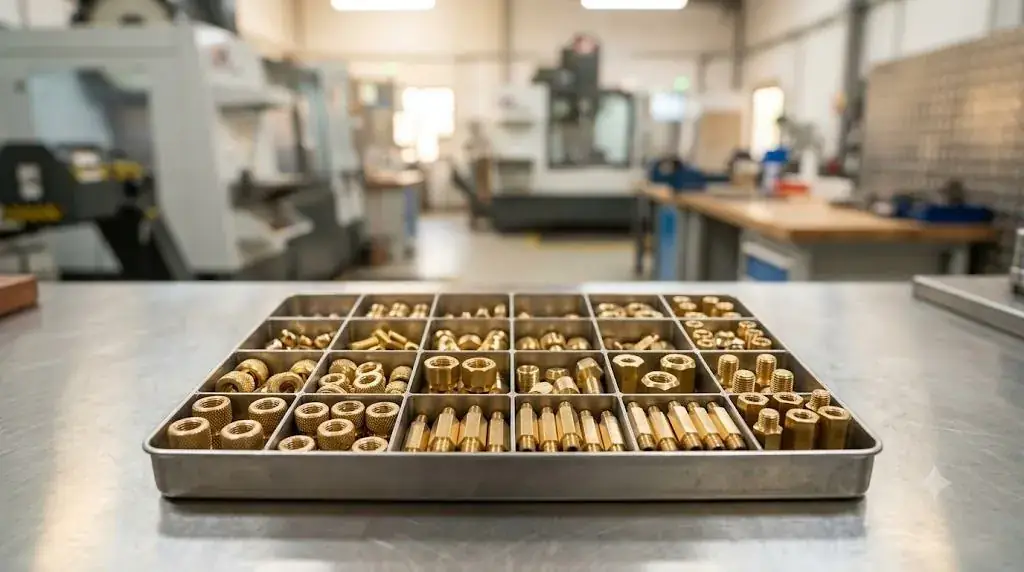
Brass door hinges and brass butt hinges carry the leaf. Size, thickness, knuckle design, and pin type matter more than colour. Antique brass hinges and cabinet variants follow the same engineering rules with different leaf patterns. A heavy solid-core door on undersized hinges will sag regardless of how carefully the handles were polished.
Buyers often ask about brass hinges price before door weight. Invert that order. Calculate hinge count and size from door mass and frequency of use, then discuss finish and price. Removable pins help installation; non-removable pins help security on outward-opening doors in some specifications.
Cabinet hinges and smaller brass hinges for furniture doors are a parallel product family. If you are matching kitchen cabinetry to room doors, align finish samples—but do not assume the same hinge SKU works at both scales.
Fire doors, heavy acoustic doors, and exterior entrance leaves may need hinge performance beyond decorative butt hinges. When a specification calls for certified doorsets, the hinge choice is often locked by the door manufacturer’s test evidence. Do not substitute a prettier brass hinge onto a rated door without checking whether the rating still holds. Beauty is not a test certificate.
Maintenance access matters. Ball-bearing hinges and plain knuckle hinges age differently. Sites that never oil anything should not receive hinges that demand frequent lubrication unless the maintenance team is briefed. For rental housing, prefer robust, low-attention hardware even if the show flat used museum-grade antique leaves.
Screw metallurgy into hardwood versus softwood changes over time. Brass screws look correct but can shear if over-torqued; steel screws painted or plated to match may be stronger yet wrong aesthetically if heads show. Decide which faces are visible after install and specify head finish accordingly. Hidden leaves can use stronger fasteners; show knuckles cannot hide mismatched heads.
Hinge specification notes
- Leaf height and thickness; knuckle count.
- Door weight and recommended hinge quantity.
- Screw hole pattern and screw metallurgy (brass screws into hardwood behave differently than steel).
- Finish: polished, satin, antique, or lacquered.
- Whether knuckles must match neighbouring hardware colour exactly.
Locks, latches, padlocks, and keys
A brass door lock set, brass latch, brass door latch, and brass lock mechanisms sit closer to security hardware than to décor. Bodies may be brass or brass-finished steel; cylinders and keys follow their own standards. Traditional Indian padlock styles—including common 40 mm and 50mm padlock sizes—remain a distinct manufacturing stream from lever furniture.
Brass padlock programmes need clarity on body material, shackle diameter, keying (keyed alike, keyed different), and corrosion expectations outdoors. Brass keys and brass key ring accessories are often separate catalogue lines; a brass key holder for wall mounting belongs with hooks more than with cylinders.
Do not mix security claims with decorative language. If a project needs tested lock performance, say so. If it needs a heritage look on a rarely locked garden gate, say that too. Over-specifying security hardware for a cosmetic gate wastes money; under-specifying on a street door creates callbacks.
Keyed-alike suites for apartments or hotels need disciplined keying charts. Brass keys and decorative key rings are easy to order; master-key logic is not. Assign who owns the keying schedule—buyer, locksmith partner, or manufacturer—before production starts. Re-cutting hundreds of keys after a chart error is avoidable pain.
Traditional padlock sizes such as 40 mm and 50 mm remain volume SKUs for utility and retail. Outdoor padlocks need clearer corrosion notes than indoor cupboard latches. Shackle diameter, clearance, and whether the body is solid brass or brass-finished steel should be stated without catalogue poetry. If the padlock must sit beside antique door furniture, match finish—but keep the security specification honest.
Strike plates and latch alignment decide whether a beautiful lever feels cheap. Soft timber frames settle; metal frames do not. Include strike adjustment expectations or oversized strike options when the carpentry tolerance is wide. Hardware cannot fix a door that was hung out of plumb—but good strikes reduce the complaints that land on the brass supplier anyway.
Knockers, letter boxes, and door stops
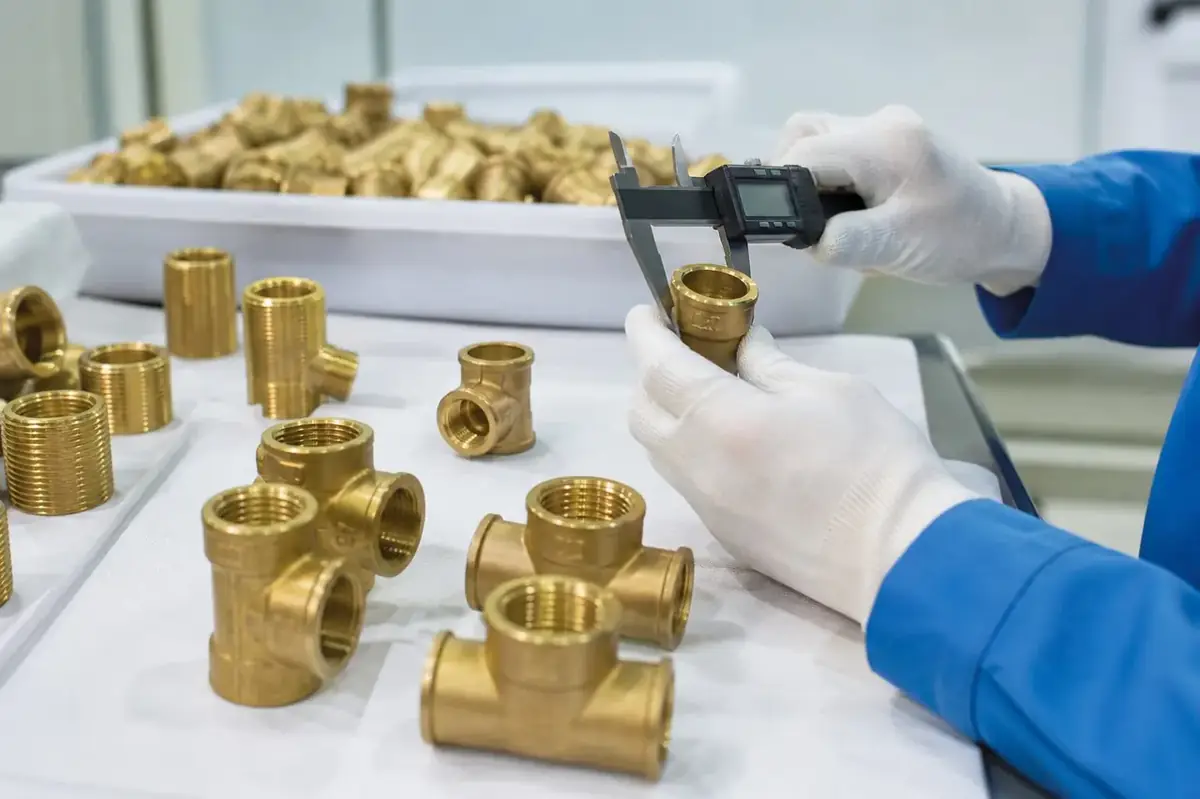
Antique brass front door hardware packages often include more than levers. A brass door knocker or antique brass door knocker needs backplate size, projection, and fixing method suited to the door construction. Hollow doors and solid timber take different screw strategies.
A brass letter box (letter plate) needs aperture size, flap spring tension, internal draught brush options where specified, and finish that survives repeated finger contact. Brass door stop hardware—floor or wall—protects leaves and nearby walls; tip material (rubber, etc.) matters as much as the brass post.
These accents are where finish matching shows. A polished knocker next to an antique handle looks accidental unless the designer intended contrast. Approve a board with every visible SKU under the same lighting the end customer will use.
Hooks, hangers, and shelf brackets
Beyond the door leaf, projects pull brass hooks, brass wall hooks, brass hooks for hanging, brass hooks for wall, and brass hangers for coats and utility spaces. Brass shelf brackets, brass wall brackets, and general brass brackets support shelves and light architectural loads. Load rating and fixing into masonry versus timber decide success more than polish.
These SKUs often share finish lines with door furniture so lobbies feel intentional. They also appear in décor sets beside trays and mirrors—see brass home décor: mirrors, trays, and planters when the brief blurs hardware and décor.
For OEM furniture, coat hooks and small latches may ship as components without retail packaging. Define bagging, pairing, and screw inclusion clearly so site teams are not hunting unmatched parts across cartons.
“Match the finish family once. Re-matching antique after a second production lot is how projects lose months.”
Polished, antique, and living finishes
Polished brass reads formal and bright. Satin or brushed reads quieter. Antique and oxidised systems darken recesses and wipe highlights on edges—popular for heritage cues. Unlacquered “living” brass will fingerprint and darken; some designers want that. Lacquered brass holds colour longer if cleaning stays gentle.
Hand-finished antique work varies by operator. For multi-container projects, lock a physical master, photograph it under controlled light, and require lot-to-lot comparison before packing. That discipline matters more than any adjective on a price list.
Full brass doors or major brass-clad leaves are a different scope from furniture hardware—structure, weight, and frame engineering dominate. Most trade volume remains fittings mounted onto timber, metal, or glass doors rather than entire brass door slabs.
Screws, spindles, and fixing hardware
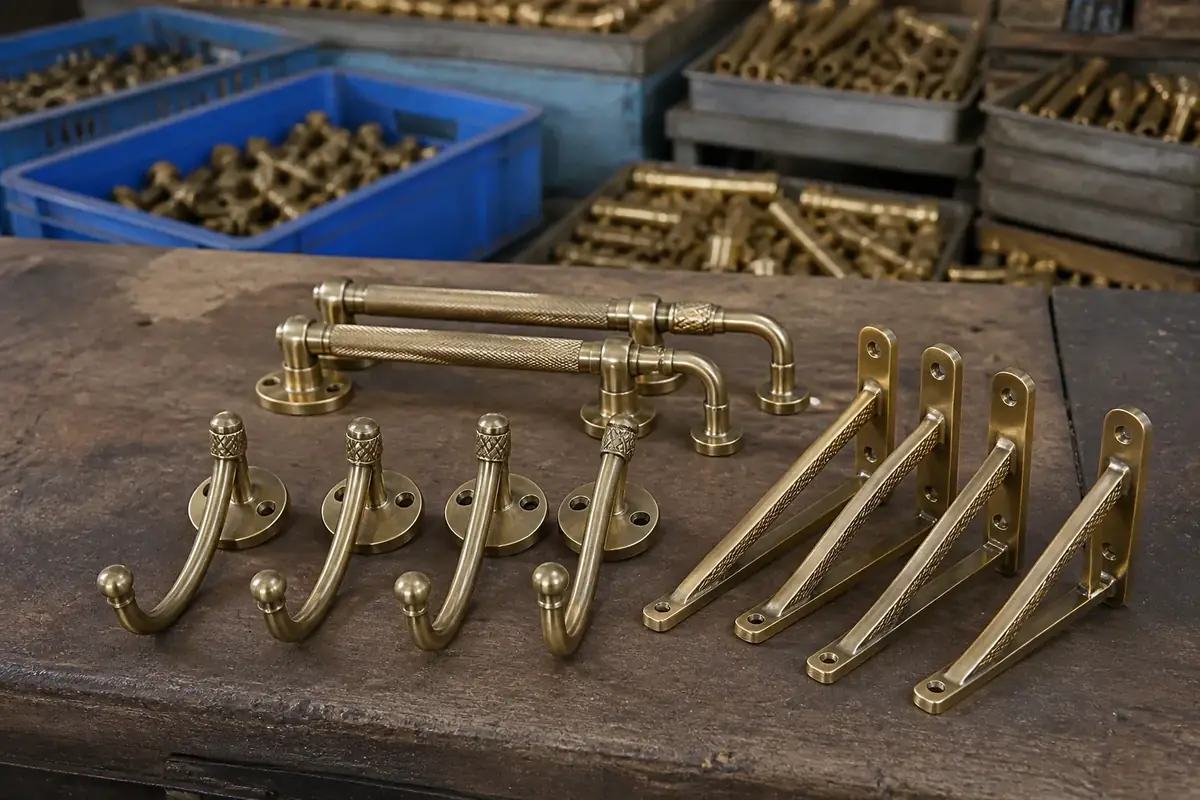
Visible screws should match finish intent. Brass screws look right on brass plates; steel screws scream budget unless hidden. Thread length must suit door or wall substrate. Spindles, grub screws, and through-bolts decide whether levers loosen after six months of use.
Component-level fastener sourcing is covered in brass fasteners: screws, nuts, and bolts. For door programmes, include fastener BOM in the same PO as the visible furniture whenever possible—mixed aftermarket screws destroy finish stories.
Specification comparison table
| Category | Critical specs | Finish focus | Common miss |
|---|---|---|---|
| Lever / knob sets | Spindle, door thickness, rose/plate, handing | Touch surfaces + lacquer wear | Buying levers without lock-case fit |
| Main-door pulls | Centres, projection, backplate, fixings | Antique highlight consistency | Weak fixings on heavy pulls |
| Butt hinges | Size, thickness, door weight, pin type | Match to nearby furniture | Undersizing for door mass |
| Latches / lock sets | Backset, case size, keying, security need | Visible furniture only | Decor-first buying for security doors |
| Knockers / letter plates | Aperture, spring, fixing centres | Fingerprint-prone faces | Wrong substrate fixings |
| Hooks / brackets | Load, projection, wall plug strategy | Family match to doors | Finish drift across lots |
| Padlocks | Body size, shackle, keying, outdoor duty | Body vs shackle colour | Treating padlocks as décor only |
Sourcing and project matching tips
Decide whether you need retail-ready sets or OEM components. Retail sets need packaging, instructions, and complete screw kits. OEM programmes need drawings, tolerances, and sometimes unassembled roses and levers in bulk.
- Build a hardware schedule by door type before requesting quotes.
- Approve one finish master for the full SKU family.
- Separate security-critical items from decorative pulls in QC plans.
- Confirm packing: individual polybags, foam for polished faces, carton marks by room or door code.
- Plan spares—levers and hinges fail in use; matching a discontinued antique lot later is hard.
Labacha-style traditional handles and ornamental main-door sets remain culturally important in some markets. Specify motif, size, and finish clearly; do not assume every workshop’s “traditional” pattern matches your sample.
For multi-building rollouts, freeze a door-type matrix: entrance, bedroom, bathroom, utility, and any rated doors. Attach handle, hinge, latch, stop, and hook SKUs to each type. Purchasing then orders by matrix code instead of by memory. That spreadsheet prevents bathrooms receiving main-door pulls and utility doors receiving showpiece knockers.
OEM component buyers should ask for exploded drawings of rose assemblies, spindle engagement length, and grub-screw positions. Retail box sets hide those details. If you assemble locally, you need component tolerances—not only a lifestyle photo of the finished lever. Confirm whether springs are included and what cycle life was assumed.
Lead times stretch when antique finishing is hand work. Build buffer into project schedules rather than pressuring shops to rush highlighting. Rushed antique lots look muddy under corridor lighting. A one-week buffer on finish often saves a one-month replacement argument.
Shelf brackets and wall hooks ordered with door programmes should share the finish master and the packing rules. Load ratings still differ: a coat hook is not a bookshelf bracket. Print safe-load guidance for trade customers even when consumer packaging stays minimal.
Care after installation
Site teams love abrasive polish. Lacquered antique parts do not. Give installers a one-page care note: soft cloth, mild cleaner, no scouring pads on coated brass. For deeper maintenance guidance, use brass cleaning, care, and maintenance.
Coastal projects and swimming-pool corridors accelerate dulling and coating wear. Mention environment on the RFQ so finishers can recommend lacquer systems—or so the designer consciously chooses a living finish that is allowed to age.
Hand hygiene stations and frequent cleaning in healthcare-adjacent spaces punish soft coatings. If the brief needs antimicrobial cleaning regimes, say so—some lacquers fail early under alcohol wipes. Unlacquered living brass may be the honest specification when aggressive cleaning is non-negotiable.
Aftercare kits—soft cloths, approved cleaner, spare screws—reduce brand damage more than another brochure page. Include them on hospitality crates. Guests photograph dull levers; operators blame suppliers; the fix was often a five-rupee cloth and a written don’t-use-bleach note.

FAQ: brass door hardware
How should brass letter boxes and door knockers be specified for export?
Aperture, spring action, fixing centres, finish, and polish protection in packing. Knockers need projection and door-substrate fixing notes.
What maintenance keeps polished brass door hardware looking consistent?
Clean to the finish system. Avoid abrasives on lacquer. Expect unlacquered brass to age. Give site teams written care notes with the delivery.
What should buyers check when sourcing brass door handles and knobs?
Substrate, finish, spindle/rose fit, door thickness, and whether latch or lock parts are included. Approve samples in real light before locking a container quantity.
Are antique brass door handles a different alloy?
Rarely. Antique usually means a darkened finish system. Record base metal and coating so future replacements can match.
How do brass butt hinges differ from decorative strap styles?
Butt hinges are the standard mortised rectangular pair. Straps and specialty shapes change load and look. Always specify size and door weight alongside finish.
Can brass hooks and shelf brackets use the same finish as door hardware?
Yes—when produced against one finish master. That is how lobbies and apartments feel intentional instead of pieced together.
What is a mortise handle set?
Lever or knob furniture designed to work with a mortise lock case inside the door. Case size and backset compatibility matter as much as handle style.
Do brass padlocks and door locks share the same manufacturing cell?
Not reliably. Padlock and cylinder work differs from decorative lever furniture. Source by capability, then align finish if they must sit on the same project.
Conclusion
Good door hardware programmes treat handles, hinges, latches, and accents as one schedule—not as random catalogue picks. Brass rewards that discipline with a coherent entrance story and fewer site surprises.
Specify substrate, finish master, door prep, and load. Then negotiate price. The buyers who reverse that order usually repurchase hinges first—and explanations later.
Whether you are matching antique brass door hardware for a heritage block or specifying clean polished levers for new apartments, write the schedule once and buy against it.
Building a Brass Hardware Schedule?
From door pulls and hinges to OEM components, explore factory-linked categories and submit your project list through Jamnagar.net.